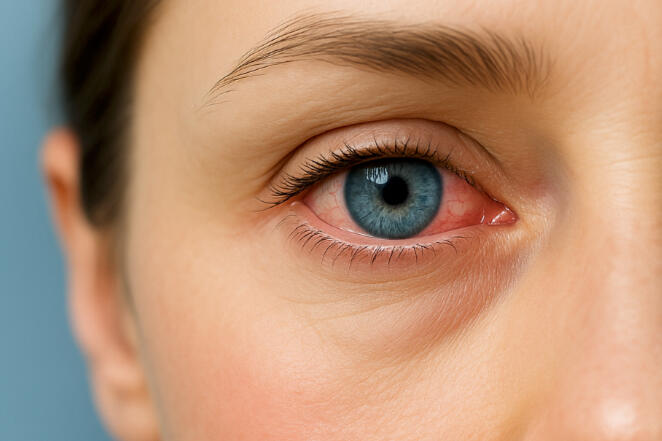
Dry Eye Home Care Guide
Simple explanations of common dry eye treatments and self-care options.
Your optometrist may have recommended one or more of the options below. Use the Quick Navigation menu to jump directly to the sections most relevant to you. Small changes, done consistently, often make the biggest difference to dry eye symptoms.

Quick Navigation
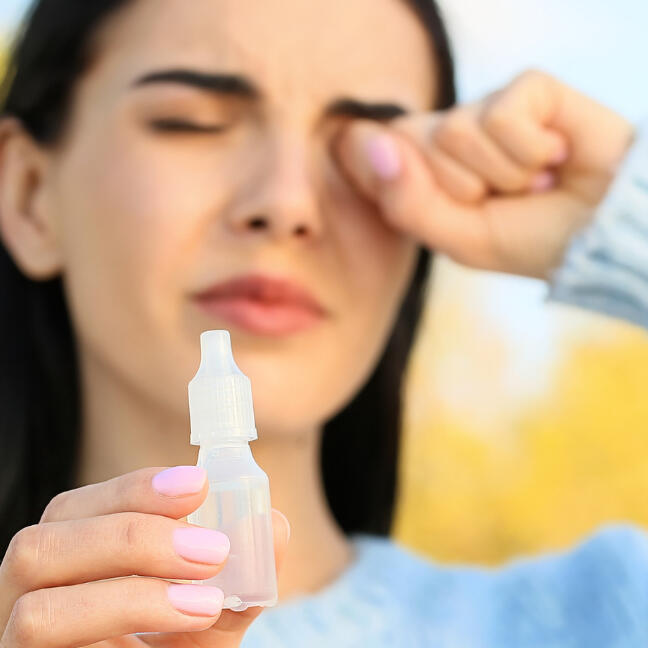
Drops
Eye Drops for Dry EyesThere is no single "best" eye drop for dry eyes. The right drop depends on the type of dry eye you have and the underlying cause.Different Types of DropsOil-based drops* Examples: NovaTears, Miebo (USA)
* Help support the oily layer of the tears
* Feel silky and smooth
* Often useful for evaporative dry eyeEmulsion drops* Example: Cationorm
* Contain both oil and water
* Help support multiple layers of the tear filmHyaluronic acid drops* Example: Hylo-Fresh
* Available in thinner and thicker versions
* Help improve comfort and hydrationLid sprays* Sprayed onto closed eyelids
* The oils spread into the tear film when you blink
* Useful for people who struggle with eye dropsNight-time gels and ointments* Examples: Genteal Gel, Lacri-Lube
* Last longer than standard drops
* Best used before bed
* May blur vision temporarilyPrescription treatmentsSometimes over-the-counter drops are not enough.Your optometrist or ophthalmologist may recommend:* Short courses of steroid drops to reduce inflammation
* Long-term anti-inflammatory medications such as cyclosporine or lifitegrastTips for Success* Preservative-free drops are often preferred for regular use.
* Use drops before your eyes become very uncomfortable.
* Keep a bottle where you spend most of your time.
* Consistency is usually more important than finding the "perfect" drop.Key Takeaway👉 The best eye drop is the one that matches your type of dry eye and that you can use consistently.
Light Therapy
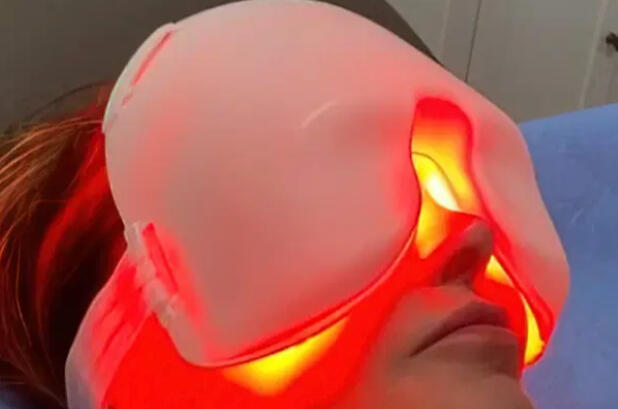
Light-Based Treatments for Dry EyeHome treatments such as eye drops, lid cleaning, warm compresses, omega-3 supplements, and blink training form the foundation of dry eye management. Many people achieve significant improvement with these simple measures alone.However, some people continue to experience symptoms despite doing all the right things. When this happens, additional in-office treatments may help.How Light-Based Treatments WorkModern dry eye treatments can use carefully controlled light and heat to support the health of the eyelid glands and improve tear quality.These treatments are designed to address some of the underlying causes of dry eye rather than simply masking symptoms.Red Light Therapy (Low-Level Light Therapy)Red light therapy, also known as photobiomodulation, uses gentle red light to stimulate cellular activity.Research suggests it may:* Support healthy gland function
* Improve cellular energy production
* Help reduce inflammation
* Improve comfort in some people with dry eyeThe treatment is relaxing, painless, and takes about 15 mins.Intense Pulsed Light (IPL)IPL was originally developed for dermatology but has become an important treatment for certain types of dry eye.IPL may help by:* Reducing inflammation around the eyelids
* Improving meibomian gland function
* Reducing abnormal blood vessels associated with inflammation
* Improving tear film stabilityTreatment involves a series of gentle light pulses applied to the skin around the eyes while your eyes remain protected.Who Might Benefit?Your optometrist may discuss these treatments if:* Home treatments have not provided enough relief
* You have moderate to severe dry eye symptoms
* Your eyelid glands are not functioning well
* Inflammation appears to be contributing to your symptomsPart of a Bigger PictureLight-based treatments are not a replacement for good home care.Patients generally achieve the best results when in-office treatments are combined with:* Regular lid hygiene
* Warm compresses
* Appropriate eye drops
* Blink training
* Environmental managementThink of home care as the daily maintenance and in-office treatments as an occasional boost when extra help is needed.Key Takeaway👉 Home care is the foundation of dry eye treatment. When symptoms persist despite your best efforts, modern light-based treatments such as Red Light Therapy and IPL may provide additional relief and help improve the health of your tear system.

Omega 3
Omega-3 and Dry EyesWhy it helps* Supports the meibomian glands in your eyelids.
* Improves both the amount and quality of oil in your tears.
* Helps slow tear evaporation and improve comfort.Sources* Fish oil (best source)
* Flaxseed oil
* Oily fish such as salmon and sardinesSupplements* Look for EPA + DHA content, not just total fish oil.
* Aim for approximately 2,000 mg/day of active ingredients.
* Many quality brands require 2–3 capsules per day.How long does it take?* Benefits usually take 6–8 weeks.Important* If you take blood-thinning medication, check with your doctor before starting fish oil supplements.👉 Quick tip: Check the label for EPA + DHA, not just "fish oil mg".
Allergies and Dry Eye
Allergies and Dry EyeMany people are surprised to learn that allergies and dry eye often occur together. In fact, allergies can make dry eye symptoms significantly worse.How Are the Nose and Eyes Connected?Your eyes and nose are linked through the body's natural tear system.Around one-third of your tear production is stimulated by air flowing through your nose. When your nose becomes blocked due to allergies, tear production can decrease, leaving your eyes feeling drier and more uncomfortable.Common Allergy Symptoms* Itchy eyes
* Red eyes
* Watery eyes
* Blocked or runny nose
* Sneezing
* Increased dry eye symptomsThe Antihistamine ProblemWhile antihistamine tablets can help allergy symptoms, they often have a downside:* They can reduce tear production.
* They may make dry eyes worse.
* Some people notice increased dryness after taking them regularly.Do not stop any medication without discussing it with your doctor or pharmacist.Alternative ApproachesAllergy Eye Drops* Examples include Zaditen and Patanol.
* Help control itch and inflammation directly in the eyes.
* Often cause less dryness than oral antihistamines.Nasal Sprays* Can help keep the nose open.
* May improve airflow through the nose.
* Can support normal tear production.Timing MattersMany people wait until symptoms become severe before starting treatment.A better approach is often to:* Start allergy treatment before the allergy season begins.
* Continue throughout the season.
* Prevent symptoms rather than chase them.Tips for Success* Keep windows closed on high-pollen days.
* Wash pollen from your face and eyelids after spending time outdoors.
* Consider wearing wraparound sunglasses outdoors during allergy season.
* Continue your usual dry eye treatments alongside allergy management.Key Takeaway👉 Allergies can make dry eyes significantly worse. Managing both the eyes and the nose often provides the best relief and helps maintain a healthier tear film.

Environment
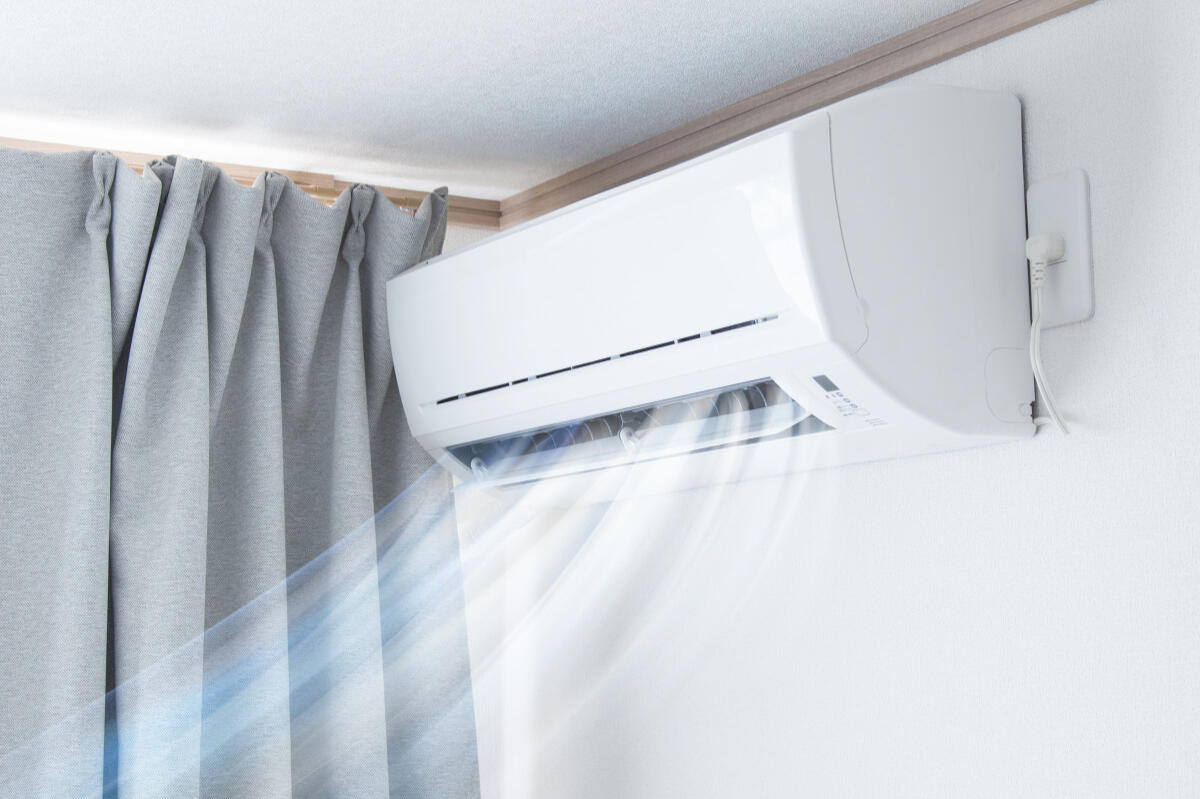
Your Environment and Dry EyeThe environment around you can have a major impact on dry eye symptoms. Even if your eyes produce a reasonable amount of tears, they can still dry out quickly if the air around you encourages evaporation.The Biggest Problem: Tear EvaporationThink of your tears like a puddle of water.On a cool, still day, the puddle lasts a long time.On a hot, windy day, it disappears quickly.The same thing happens to your tears.Common Environmental Triggers* Air conditioners
* Heaters
* Ceiling fans
* Pedestal fans
* Car air vents blowing towards your face
* Airplane cabins
* Long periods of screen useAll of these can increase tear evaporation and make dry eye symptoms worse.Humidity MattersHumidity refers to the amount of moisture in the air.Low humidity allows tears to evaporate more quickly, while higher humidity helps keep the eyes comfortable.As a general guide:* 40–60% humidity is ideal.
* Very dry indoor environments can aggravate symptoms.Helpful ToolsHygrometer* Measures the humidity in your home or office.
* Inexpensive and widely available.Humidifier* Adds moisture back into the air.
* Can be particularly helpful in air-conditioned rooms or during winter.Simple Changes That Help* Avoid sitting directly under air conditioning vents.
* Redirect car vents away from your face.
* Take regular breaks during screen use.
* Blink fully and frequently.
* Consider moisture chamber glasses if wind is a major trigger.A Real-World ExampleMany patients notice their eyes feel dramatically better when travelling to humid locations eg Bali or South East Asia. This highlights how important the environment can be in maintaining a healthy tear film.Key Takeaway👉 Your tears don't just depend on your eyes—they also depend on the air around you. Reducing airflow and maintaining good humidity can significantly improve dry eye comfort.
Lid Cleaning
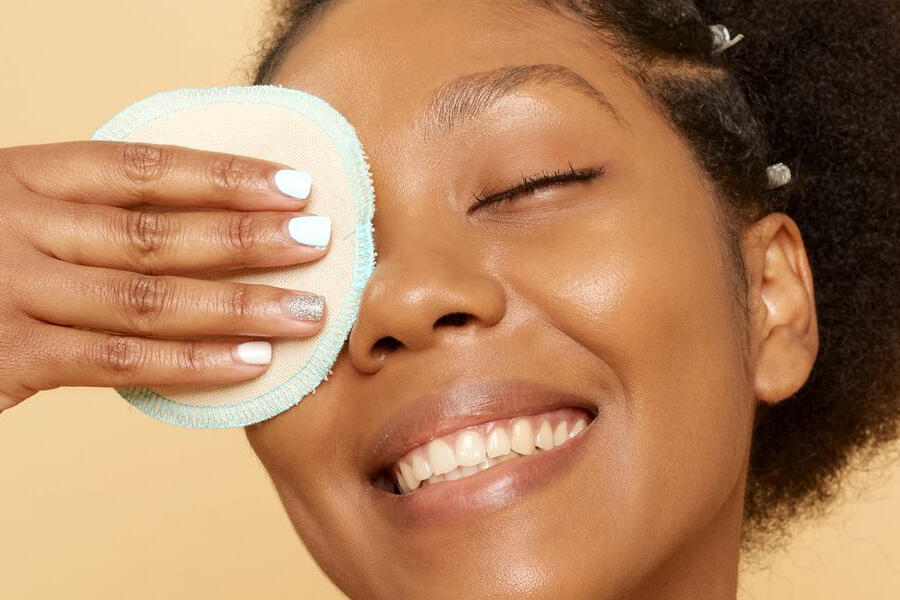
Lid Cleaning (Eyelid Hygiene)One of the most important steps in treating dry eye is addressing the underlying problem, not just the symptoms. While eye drops can provide temporary relief, they do not improve the health of your eyelids or oil glands.Your eyelids contain tiny oil-producing glands called meibomian glands. These glands help prevent your tears from evaporating too quickly. When they become blocked or surrounded by bacteria and debris, the tear film becomes unstable and your eyes can feel dry, irritated, or gritty.Why Lid Cleaning Helps* Removes debris from the eyelid margins
* Reduces bacterial build-up
* Helps keep the oil glands functioning normally
* Supports a healthier tear film
* Can reduce irritation and inflammationWays to Clean Your EyelidsFoam Cleansers* Examples: Ocusoft and similar products
* Apply to closed eyelids
* Gently massage for around 20 seconds
* Rinse off afterwardsLid Wipes* Convenient pre-moistened wipes
* Used to gently clean along the lash line
* Useful when travellingHypochlorous Acid Sprays* Sprayed onto closed eyelids or applied with a cotton pad
* Gentle and easy to use
* Help reduce bacterial load on the eyelidsWhat About Bacteria?Small amounts of bacteria naturally live on everyone's eyelids. Problems occur when excessive bacteria build up around the eyelid margins.These bacteria produce irritating waste products that can affect the tear film and contribute to dry eye symptoms. Sometimes this appears as foamy tears or debris around the lashes.Regular lid cleaning helps keep this bacterial population under control and supports healthier eyelids.Tips for Success* Make lid cleaning part of your daily routine.
* Link it to another habit, such as brushing your teeth or showering.
* Be gentle — vigorous scrubbing is not necessary.
* Consistency is more important than perfection.Key Takeaway👉 Clean eyelids help healthy oil glands produce better-quality tears. Daily lid hygiene is one of the most effective long-term habits for managing dry eye.
Demodex
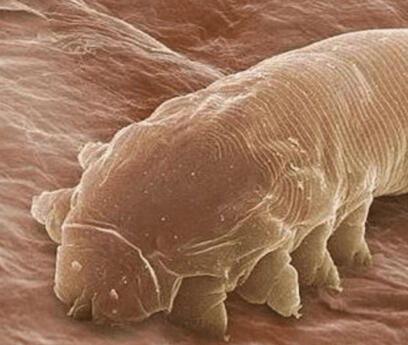
Demodex Mites and Dry EyeDemodex are tiny mites that live naturally around the base of the eyelashes. Most people have a small number of them and never know they're there.However, when Demodex populations become excessive, they can contribute to eyelid inflammation, irritation, and dry eye symptoms.What Are the Signs of Demodex?* Itchy eyelids
* Irritated or red eyes
* Crusty debris around the eyelashes
* Dry eye symptoms that don't seem to improve
* Eyelids that feel uncomfortable, especially in the morningOne of the classic signs is a build-up of waxy debris around the base of the eyelashes, sometimes called "collarettes."Why Do They Matter?Demodex mites can:* Irritate the eyelid margins
* Increase inflammation
* Disrupt the oil glands
* Contribute to dry eye symptoms
* Make existing eyelid conditions worseA Few Interesting Facts* Demodex mites are microscopic and cannot usually be seen without magnification.
* They live for around two weeks.
* They tend to be more active at night.
* They become more common as we get older.While the idea of eyelash mites may sound alarming, they are very common and can be managed effectively.How Are They Diagnosed?Your optometrist can often identify Demodex during an eye examination by looking closely at your eyelashes and eyelid margins.Treatment OptionsImproved Lid Hygiene* Regular eyelid cleaning helps reduce debris and irritation.In-Office Treatments* Procedures such as BlephEx® or NuLids® can help remove build-up around the eyelids and lashes.Prescription Treatments* New prescription medications are now available that specifically target Demodex mites.
* These treatments are usually used over several weeks.What Results Can I Expect?As the mite population decreases, many people notice:* Less irritation
* Less itching
* Improved eyelid comfort
* Better dry eye symptomsKey Takeaway👉 Demodex mites are common, but excessive numbers can contribute to dry eye and eyelid inflammation. The good news is that they can be diagnosed and treated effectively.
Blink Training
Blink Training: A Simple Exercise for More Comfortable EyesMost people blink far less often when they are concentrating. Reading, driving, watching television, and especially using computers or phones can reduce your blink rate by up to 50%.Fewer blinks mean fewer fresh tears are spread across the surface of the eye, which can lead to dryness, irritation, and fluctuating vision.The Hidden Problem: Incomplete BlinksMany people don't fully close their eyes when they blink.These "half blinks" leave part of the eye surface exposed, particularly the lower part of the cornea. Over time, this can contribute to dry eye symptoms and discomfort.The Blink Training TechniqueA simple exercise is:1. Close your eyes gently for 2 seconds.
2. Squeeze your eyelids together for 2 seconds.
3. Relax with your eyes closed for 2 seconds.
4. Open your eyes.Repeat 5–10 times.Blink to BlackOne of the easiest ways to improve blinking is to make sure your eyelids close completely.When you blink, you should briefly see darkness.If you don't "blink to black," your eyes may not be closing fully.Making It a HabitThe best blink training programme is the one you actually do.Try linking blink exercises to existing habits:* Waiting at traffic lights
* Making a cup of coffee
* Checking your emails
* Taking a screen break
* Waiting for a webpage to loadSmall, regular practice sessions are more effective than occasional long sessions.Screen Users Take NoteIf you spend long hours on computers, tablets, or phones:* Blink more often.
* Take regular visual breaks.
* Make a conscious effort to close your eyes completely.Many people notice their vision becomes clearer immediately after a few complete blinks because the tear film is refreshed.Benefits of Blink Training* Better tear distribution
* Reduced tear evaporation
* Improved eye comfort
* More stable vision
* Healthier eyelid gland functionResearch has also shown that regular blink exercises can improve tear film stability and reduce dry eye symptoms.Key Takeaway👉 Every complete blink is like a windscreen wiper for your eyes. A few seconds of blink training each day can help keep your eyes more comfortable, your vision clearer, and your tear film healthier.

Warm Compress
Warm Compresses (Heat Therapy)Warm compresses are one of the simplest and most effective treatments for evaporative dry eye.The oil glands in your eyelids (meibomian glands) produce the oily layer of your tears. This oil slows evaporation and helps keep the eyes comfortable.In dry eye disease, these oils often become thick and sluggish. Instead of flowing easily like olive oil, they can become more like melted butter—or even toothpaste in severe cases.How Heat Helps* Softens thickened oils in the glands
* Improves oil flow onto the surface of the eye
* Helps reduce tear evaporation
* Supports a healthier tear film
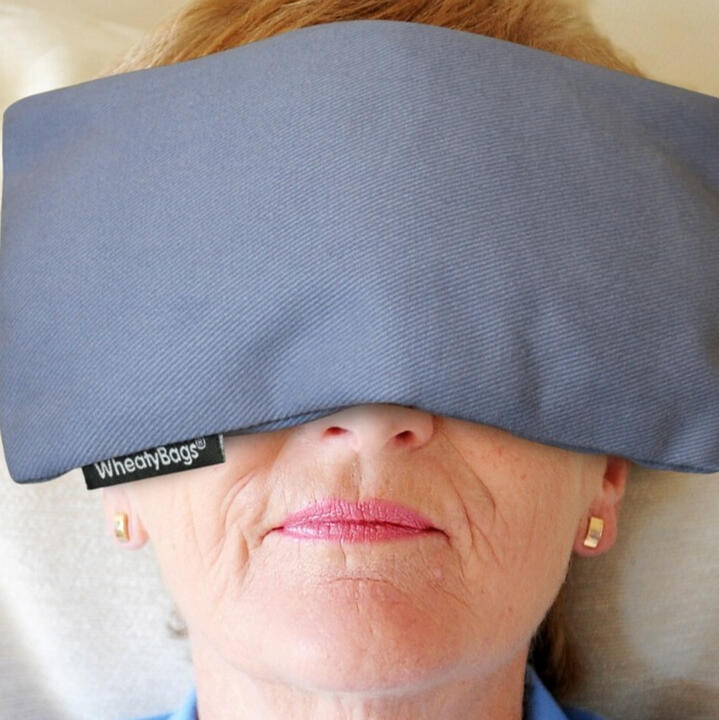
* Can improve comfort and visionHow to Use a Warm Compress* Apply a comfortably warm heat mask or wheat bag to closed eyes.
* Use for approximately 5–10 minutes.
* Follow the manufacturer's instructions.
* Use regularly for best results.What Should It Feel Like?* Warm and comfortable
* Never hot enough to burn
* If it feels too hot, allow it to cool before useTips for Success* Consistency is more important than intensity.
* Daily use is usually more effective than occasional long sessions.
* Many people find it easiest to use while relaxing, watching television, or listening to a podcast.
* Follow with gentle blinking to help distribute the oils across the eye surface.Common Mistakes* Using the mask for only a few days and expecting major improvement.
* Not heating the mask adequately.
* Using it only when symptoms flare up.
* Making it so hot that it becomes uncomfortable.What Results Should I Expect?Some people notice improvement quickly, while others require several weeks of regular use before benefits become obvious.Like brushing your teeth, warm compresses work best as a regular maintenance habit rather than a one-off treatment.Key Takeaway👉 Warm compresses help melt and release the natural oils in your eyelid glands, reducing tear evaporation and improving eye comfort over time.
Moisture Chamber Glasses
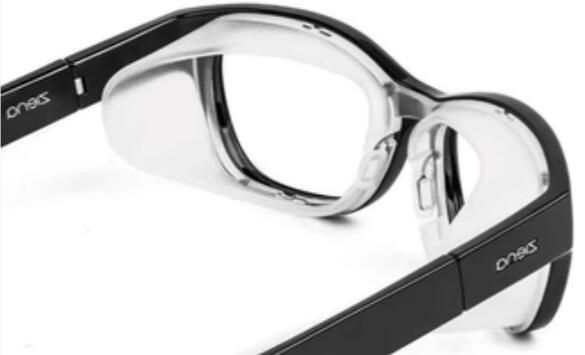
Moisture Chamber GlassesOne of the biggest causes of dry eye symptoms is tear evaporation. Even if your eyes produce a reasonable amount of tears, they can dry out quickly when exposed to wind, air conditioning, heating, or dry environments.Moisture chamber glasses are designed to reduce this evaporation and create a more comfortable environment for your eyes.How Do They Work?Moisture chamber glasses look similar to normal glasses but have a soft seal around the edges.This seal:* Blocks wind and drafts
* Reduces air movement around the eyes
* Traps moisture near the eye surface
* Helps tears last longerThink of them as creating a small "greenhouse" around your eyes.Who Can Benefit?Moisture chamber glasses may be particularly helpful if you:* Spend time in air-conditioned environments
* Work in front of computer screens
* Experience symptoms outdoors in windy conditions
* Have severe dry eye
* Wake with dry eyes despite using dropsOptions AvailablePurpose-Built Moisture Chamber Glasses* Designed specifically for dry eye sufferers
* Often include soft silicone seals
* Available in prescription and non-prescription versionsWraparound Sunglasses* Help protect against wind outdoors
* Reduce tear evaporation
* Provide UV protectionOnion Goggles* Originally designed for cooking
* Can work surprisingly well around the home
* A low-cost way to trial the conceptWhen Are They Most Useful?Many patients use moisture chamber glasses:* While working on a computer
* During air travel
* Outdoors on windy days
* In air-conditioned offices
* While driving with air vents runningTips for Success* Combine moisture chamber glasses with other dry eye treatments.
* Position air vents away from your face whenever possible.
* Consider keeping a pair at work and another at home.
* Remember that even small reductions in evaporation can make a noticeable difference.What Results Can I Expect?Some people notice an improvement almost immediately because the eyes are being exposed to less drying airflow.Others find they are particularly helpful during specific activities such as computer work, driving, or outdoor exercise.Key Takeaway👉 Moisture chamber glasses don't create more tears—they help you keep the tears you already have by reducing evaporation and protecting your eyes from drying air.
Night Time
Sleeping With Your Eyes Open (Lagophthalmos)Some people sleep with their eyes partly open without realising it. This condition is called lagophthalmos, and it can be a surprisingly common cause of dry eyes, especially first thing in the morning.When the eyelids don't fully close during sleep, the surface of the eye remains exposed to the air for hours. This allows tears to evaporate and can leave the eyes dry, irritated, and uncomfortable.Common Symptoms* Dry or sore eyes on waking
* Eyes that feel worse in the morning than later in the day
* Waking during the night with eye discomfort
* Red eyes on waking
* A gritty or burning sensation
* Excessive watering after wakingIn severe cases, the eyelid can stick to the surface of the eye overnight. When the eye opens, a small area of the cornea may tear, causing sudden sharp pain.Who Is More Likely to Have It?* People told they sleep with their eyes open
* People who wake with dry eyes every morning
* People who have had eyelid surgery
* People with thyroid eye disease
* Some contact lens wearers
* Anyone with incomplete eyelid closureTreatment OptionsLubricating Gel Before Bed* Thicker than standard eye drops
* Lasts longer overnight
* Helps protect the eye surface while sleepingNight-Time Ointments* Provide the longest-lasting protection
* Can blur vision, so are best used immediately before sleepBedside Eye Drops* Useful if you wake during the night with discomfortSleep Masks* Simple travel-style masks can reduce airflow around the eyes
* Often an easy first stepMoisture-Retention Sleep Masks* Examples include Tranquileyes®
* Help create a humid environment around the eyes
* Can be particularly useful for moderate to severe casesSilicone Sleep Goggles* Examples include EyeSeals®
* Create a moisture chamber around the eyes overnight
* Available in clear and blackout versionsSleepTight SleepRight® Eye ShieldsA newer option for people who sleep with their eyes partly open is the SleepTight SleepRight® eye shield system.These clear adhesive shields are placed over the closed eyelids before sleep. Rather than taping the eyelids shut, the shields help keep the eyes closed and protected throughout the night.Potential advantages include:*Comfortable overnight protection
*Helps reduce overnight tear evaporation
*May be easier to use than traditional eyelid taping
*Clear design allows the eyelids to remain visible
*Disposable and convenient for travelMany patients find them a useful alternative when ointments, sleep masks, or eyelid taping have not provided sufficient relief.As with any treatment for night-time dry eye, results vary from person to person, but these shields may be worth considering if you regularly wake with dry, sore, or irritated eyes.Eyelid Taping* Occasionally recommended in severe cases
* Helps ensure the eyelids remain fully closed during sleep
* Should only be used after discussing the technique with your eye care professionalCPAP UsersIf you use a CPAP machine for sleep apnoea, air leaks around the mask can significantly worsen dry eye symptoms.If this applies to you:* Check your mask fit
* Redirect any leaks away from your eyes
* Consider a sleep mask for additional protectionHow Can I Tell If This Is My Problem?A useful clue is when your eyes feel worst on waking and gradually improve throughout the day.Your optometrist can often identify signs of overnight exposure during an examination.Key Takeaway👉 If your eyes are dry, sore, or irritated when you wake up, sleeping with your eyes partly open may be contributing. Protecting your eyes overnight can make a dramatic difference to comfort during the day.


Living with Dry Eye
Dry eye is often thought of as a problem of irritation, burning, grittiness or fluctuating vision.However, many people find that the condition affects more than just their eyes. Over time, dry eye can create a burden in terms of symptoms, cost, time and effort.Symptom BurdenDry eye symptoms vary from person to person but may include:• Dryness• Burning or stinging• Grittiness• Fluctuating vision• Eye fatigue• Excessive wateringFor some people these symptoms are occasional. For others they can affect work, reading, driving and quality of life.Financial BurdenManaging dry eye often involves ongoing expenses.Common costs may include:• Lubricating eye drops: approximately $300–500 per year• Lid hygiene products: approximately $150–300 per year• Omega-3 supplements: approximately $250–500 per year• Heated eye mask: approximately $40–100 (typically a one-off purchase)For many patients, a typical home-care program may cost approximately $700–1,400 per year, depending on the products used and the severity of the condition.Some patients may spend considerably more, particularly if they require prescription medications or multiple treatments.PBS SubsidiesSome prescription dry eye medications may be subsidised through the Pharmaceutical Benefits Scheme (PBS) for eligible patients.Concession card holders may pay significantly less for PBS medicines, and patients who reach the PBS Safety Net may have substantially reduced medication costs for the remainder of the calendar year.Speak with your optometrist, ophthalmologist or pharmacist for advice regarding PBS eligibility and current costs.Time BurdenMany dry eye treatments require regular attention.This may include:• Applying eye drops• Performing lid hygiene• Using a heated eye mask• Taking supplements• Attending appointmentsEach activity may only take a few minutes, but over months and years the time commitment can become significant.The Effort of Managing Dry EyeFor many people, the greatest challenge is not the treatment itself, but the ongoing effort required to keep the condition under control.Many people find themselves:• Remembering to carry eye drops• Reordering products• Planning treatment routines• Applying drops multiple times each day• Performing daily lid hygiene• Using a heated eye mask• Taking supplements• Thinking about their eyes throughout the day• Worrying about symptom flare-upsOver time, this ongoing effort can become frustrating and tiring.Even when individual treatments only take a few minutes, the combined effort of managing dry eye day after day can be significant.Comparing Treatment ApproachesDifferent treatment approaches involve different trade-offs. The best option depends on the individual patient, the severity of their condition and their treatment goals.Home Care AloneBenefits• Lower upfront cost• Fewer clinic visits• Can be very effective when used consistently• Allows patients to manage their condition themselvesThings to Consider• Ongoing costs can add up over time• Requires daily effort and consistency• Treatment routines can become difficult to maintain over months and years• Symptoms may return quickly if treatments are stoppedHome Care Plus In-Office TreatmentsBenefits• May reduce the need for drops and other products• Often reduces the day-to-day effort involved in managing dry eye• May reduce the ongoing treatment burden• Can provide greater symptom improvement in suitable candidates• May reduce ongoing management costs for some patientsThings to Consider• Higher upfront cost• Requires clinic appointments• Not every patient is a suitable candidate• Results vary between individualsThe Goal of TreatmentThe goal of dry eye treatment is not simply to improve symptoms.For many patients, successful treatment also means reducing the overall burden of living with the condition.This may include reducing symptoms, reducing reliance on products, reducing the time spent on daily treatments, and making dry eye less of a focus in everyday life.Discuss the treatment options available with your optometrist or eye-care professional to determine the most appropriate approach for your individual circumstances.
What is Dry Eye?
What Is Dry Eye?Dry eye is one of the most common reasons people visit an optometrist. It can cause discomfort, fluctuating vision, watering eyes, and a constant feeling that something is irritating the surface of the eye.Despite the name, dry eye is not always caused by a lack of tears.How the Tear Film WorksThe surface of the eye is covered by a very thin layer of tears called the tear film.This tear film has two important components:* A watery layer that keeps the eye moist
* A thin oily layer that sits on top and slows evaporationBoth layers are essential for comfort and clear vision.The Most Common Cause of Dry EyeMany people assume dry eye means they don't produce enough tears.While this can happen, the most common problem is actually that tears evaporate too quickly.This usually occurs when the oil glands in the eyelids are not functioning properly. Without a healthy oil layer, tears dry out faster than they should.Common Symptoms* Gritty or sandy feeling
* Burning or stinging
* Watery eyes
* Tired eyes
* Fluctuating or blurred vision
* Sensitivity to wind or air conditioning
* Difficulty with computer use
* Eyes that feel worse later in the dayWhy Dry Eye Can Cause Blurred VisionA healthy tear film creates a smooth optical surface.When the tear film breaks up, the surface becomes uneven and vision can fluctuate.Many people assume their glasses prescription has changed when the real problem is an unstable tear film.If your vision clears after blinking, dry eye may be contributing.Why Do Eyes Water If They Are Dry?This often confuses people.When the eyes become irritated, they can produce a flood of reflex tears. Unfortunately, these tears are mostly watery and lack the oily component needed to stay on the eye.As a result, the eyes may water excessively while still feeling dry.The Good NewsDry eye is usually manageable.Most people improve with a combination of simple treatments such as:* Appropriate eye drops
* Lid cleaning
* Warm compresses
* Omega-3 supplements
* Blink training
* Environmental changesFor people with more significant symptoms, additional in-office treatments may also be available.Key Takeaway👉 Dry eye is usually not a problem of having too few tears. More commonly, tears evaporate too quickly because the tear film is unstable. Understanding this is the first step towards finding the right treatment.